“`html
30-Day Recap: Your Ultimate Nepal Vacation Planner for an Unforgettable Adventure
Dreaming of the Himalayas, ancient temples, and vibrant cultures? A 30-day journey through Nepal offers an unparalleled opportunity to delve deep into this enchanting nation. This comprehensive Nepal vacation planner is your guide to crafting the adventure of a lifetime.
Why Nepal? More Than Just Mountains
Nepal, a landlocked country nestled between India and China, is a tapestry of snow-capped peaks, lush jungles, ancient traditions, and spiritual solace. While the majestic Himalayas, home to Mount Everest, are undoubtedly its crown jewel, Nepal offers so much more:
- Cultural Riches: Explore UNESCO World Heritage Sites, intricate temples, stupas, and palaces in the Kathmandu Valley, remnants of ancient kingdoms.
- Adventure Hub: Beyond world-class trekking, indulge in paragliding, white-water rafting, bungee jumping, canyoning, and mountain biking.
- Wildlife Wonders: Discover rhinos, tigers, and diverse bird species in the subtropical jungles of Chitwan National Park.
- Spiritual Awakening: Visit Lumbini, the birthplace of Buddha, and experience the profound spiritual energy permeating every corner.
- Warm Hospitality: Engage with the resilient and welcoming Nepali people, whose smiles are as captivating as their landscapes.
A 30-day trip allows you to combine the best of Nepal – from high-altitude trekking to jungle safaris and cultural exploration, creating a diverse and deeply enriching experience.
The Grand Blueprint: Crafting Your 30-Day Nepal Itinerary
With a month at your disposal, you can truly immerse yourself in Nepal’s diverse offerings. Here’s a suggested framework to help you build your ideal Nepal vacation planner:
Week 1: Cultural Immersion in the Kathmandu Valley & Beyond
Start your journey in the vibrant capital, Kathmandu. This week is dedicated to history, spirituality, and ancient artistry.
- Days 1-4: Kathmandu Exploration: Dive into Kathmandu Durbar Square, a UNESCO World Heritage Site, marvel at the living goddess Kumari, and explore ancient temples. Visit Swayambhunath (Monkey Temple) for panoramic city views and Boudhanath Stupa, one of the largest Buddhist stupas in the world. Experience the spiritual fervor at Pashupatinath Temple, Nepal’s most sacred Hindu shrine.
- Days 5-7: Patan, Bhaktapur & Nagarkot: Take day trips to Patan Durbar Square, known for its exquisite Newar architecture and craftsmanship. Explore Bhaktapur, a medieval city frozen in time, famous for its pottery and wood carvings. Conclude your week with a serene overnight stay in Nagarkot or Dhulikhel for breathtaking Himalayan sunrise views.
Week 2 & 3: High-Altitude Thrills – Trekking in the Himalayas
This is where the ‘dream’ truly comes alive. Dedicate two weeks to an epic Himalayan trek, the cornerstone of many a Nepal vacation planner.
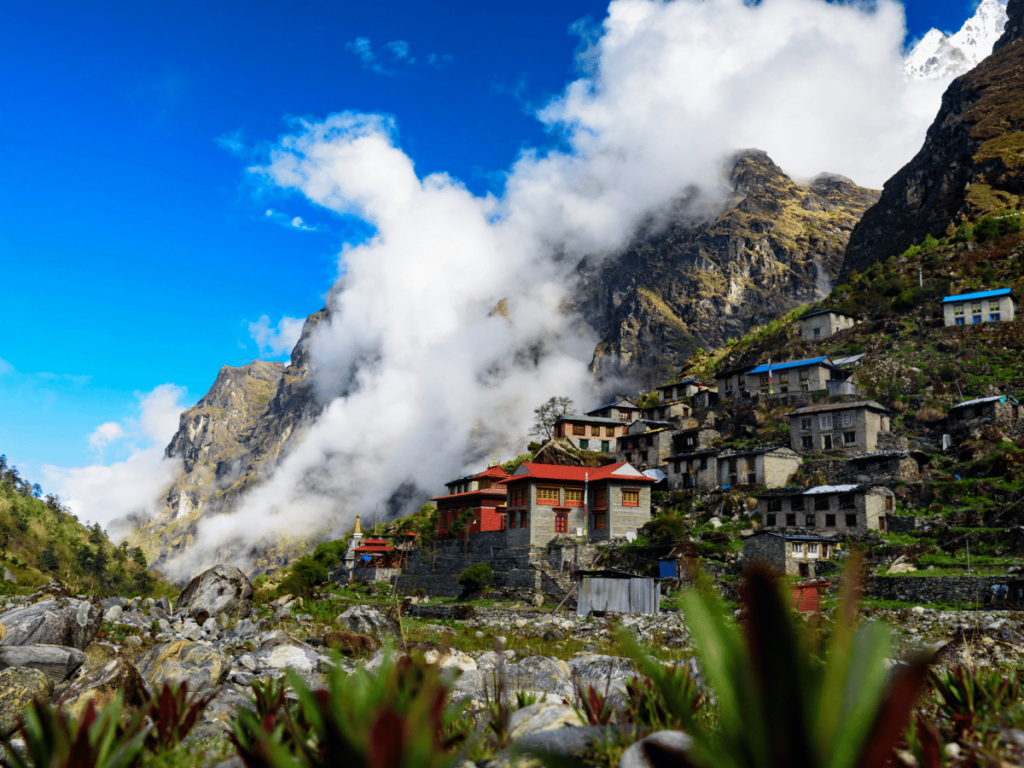
- Option 1: Everest Base Camp Trek (Approx. 12-14 days): The ultimate classic. Fly to Lukla and trek through Sherpa villages like Phakding, Namche Bazaar, Tengboche, and Dingboche, acclimatizing as you ascend. Reach Kala Patthar for iconic views of Everest and then to Everest Base Camp itself. This challenging yet incredibly rewarding trek offers unparalleled mountain vistas and a deep dive into Sherpa culture.
- Option 2: Annapurna Base Camp (ABC) Trek (Approx. 10-12 days): A slightly less strenuous but equally stunning alternative. Starting near Pokhara, this trek takes you through diverse landscapes, from rhododendron forests to alpine meadows, culminating in the magnificent Annapurna Sanctuary, surrounded by towering peaks.
- Option 3: Annapurna Circuit Trek (Approx. 15-20 days): For those seeking a longer, more diverse adventure, the Annapurna Circuit circumnavigates the Annapurna massif, offering incredible cultural experiences, varying ecosystems, and the formidable Thorong La Pass (5,416m). You can customize this by choosing shorter sections.
Expert Tip: For trekking, always consider your fitness level and comfort. A 30-day trip allows for slower acclimatization and shorter daily distances, making treks more enjoyable. Ensure you have the right gear and consider hiring a reputable local guide and porter for safety and support. (Nepal Tourism Board is a great starting point for finding registered agencies).
Week 4: Lakeside Serenity & Jungle Wildlife
After the rigors of trekking, unwind and explore Nepal’s natural diversity.
- Days 22-25: Pokhara – The Lakeside Paradise: Fly from your trekking region (or take a scenic bus from Kathmandu if you skipped a trek) to Pokhara. Relax by Phewa Lake, enjoy boating, visit the World Peace Pagoda for stunning views, and explore Devi’s Fall and Gupteshwor Cave. For adventure seekers, paragliding, zip-lining, and ultralight flights offer thrilling perspectives of the Annapurna range.
- Days 26-28: Chitwan National Park – Jungle Safari: Take a bus or short flight to Chitwan. Immerse yourself in the subtropical lowlands with activities like jungle safaris (jeep, walking, canoe), bird watching, and exploring Tharu villages. Keep an eye out for one-horned rhinoceros, various deer, monkeys, and even Bengal tigers!
- Days 29-30: Return to Kathmandu & Departure: Travel back to Kathmandu for a final day of souvenir shopping, revisiting a favorite spot, or simply enjoying a good meal. Prepare for your departure, taking with you memories that will last a lifetime.
Essential Pre-Trip Planning: Your Nepal Vacation Planner Checklist
Careful preparation is key to a smooth and enjoyable journey. This section covers crucial planning aspects:
Visa & Entry Requirements
Most foreign nationals can obtain a visa on arrival at Tribhuvan International Airport (Kathmandu) or at land border crossings. You’ll need a valid passport, a passport-sized photo, and the required fee (USD). You can also apply for a visa online beforehand. Check the official Department of Immigration, Nepal website for the latest requirements.
Best Time to Visit
- Autumn (September to November): Arguably the best time. Clear skies, moderate temperatures, and lush post-monsoon landscapes make it ideal for trekking and sightseeing.
- Spring (March to May): Another excellent period, with rhododendrons blooming, though skies can be hazier in the lower altitudes. Temperatures are mild.
- Winter (December to February): Cold at higher elevations, but clear skies and fewer trekkers. Lower altitudes like Kathmandu and Chitwan are pleasant.
- Monsoon (June to August): Heavy rains, humid, and leeches on trails. Not ideal for trekking, but the landscapes are incredibly green, and some cultural festivals take place.
Budgeting for Your Nepali Dream
Nepal can be traveled on various budgets. A 30-day trip allows for flexibility.
- Budget Traveler: $30-50 USD per day (basic guesthouses, local food, public transport, group treks).
- Mid-Range Traveler: $60-100 USD per day (comfortable hotels, a mix of local and tourist restaurants, private transport for some legs, guided treks).
- Luxury Traveler: $150+ USD per day (boutique hotels, high-end dining, private vehicles, luxury trekking lodges, specialized tours).
Factor in international flights, visa fees, trekking permits (TIMS and National Park entry), equipment rental, travel insurance, and personal expenses.
Health & Safety Precautions
- Vaccinations: Consult your doctor about recommended vaccinations (e.g., Hepatitis A & B, Typhoid, Tetanus, Rabies).
- Travel Insurance: Essential! Ensure it covers high-altitude trekking, medical emergencies, and evacuation.
- Altitude Sickness: If trekking, educate yourself on Acute Mountain Sickness (AMS) symptoms. Acclimatize properly, hydrate, and don’t ascend too quickly.
- Water Safety: Drink only bottled or purified water.
- Food Safety: Eat freshly cooked, hot food. Be cautious with street food.
Packing Smart for Nepal
Your packing list will vary depending on your activities (trekking vs. purely cultural). Key items include:
- Clothing: Layers are crucial. Moisture-wicking base layers, warm fleece, waterproof/windproof outer shell. Lighter clothing for lowlands.
- Footwear: Sturdy hiking boots (broken in!), comfortable walking shoes, sandals.
- Trekking Gear: Daypack, sleeping bag (if trekking tea houses don’t provide), trekking poles, headlamp, sunglasses, hat, gloves.
- Essentials: Sunscreen, insect repellent, personal first-aid kit, water purification tablets/filter, power bank, universal adapter.
- Documents: Passport, visa, flight tickets, insurance details, passport photos (extra), photocopies of all important documents.
Booking Flights & Accommodation
Book international flights well in advance, especially for peak seasons. For accommodation, you can often find options upon arrival in major cities, but booking the first few nights, especially in Kathmandu, is wise. For treks, your chosen agency will usually handle lodge bookings.
Choosing the Right Trekking Agency
If undertaking a serious trek, selecting a reputable, licensed Nepali trekking agency is paramount. Look for agencies that prioritize porter and guide welfare, have good safety records, and are environmentally conscious. Websites like the Trekking Agencies’ Association of Nepal (TAAN) list registered companies.
Navigating Nepal: Transportation & Connectivity
- Domestic Flights: Quickest way to cover long distances (e.g., Kathmandu-Lukla, Kathmandu-Pokhara, Kathmandu-Bharatpur for Chitwan). Book in advance, as flights can be delayed or canceled due to weather.
- Buses: The most common and budget-friendly mode of inter-city transport. Tourist buses offer more comfort than local buses. Roads can be winding and slow.
- Private Vehicles: Taxis and private cars can be arranged for convenience and comfort, especially for shorter distances or sightseeing around cities.
- Connectivity: Purchase a local SIM card (Ncell or NTC) upon arrival for affordable data and calls. Wi-Fi is available in most hotels and guesthouses in tourist areas, though it can be spotty in remote trekking regions.
Cultural Etiquette & Responsible Travel
Embracing local customs enhances your experience and shows respect:
- Namaste: Greet locals with “Namaste” (or “Namaskar”) with palms pressed together.
- Dress Modestly: Especially when visiting religious sites. Shoulders and knees should be covered.
- Remove Shoes: Take off your shoes before entering temples and homes.
- Right Hand: Use your right hand when giving or receiving items, or eating.
- Circular Movement: Walk clockwise around stupas and chortens.
- Bargaining: It’s common in markets, but do so respectfully and good-naturedly.
- Photography: Always ask permission before photographing people, especially monks or during religious ceremonies.
- Environmental Responsibility: “Leave No Trace.” Carry out what you carry in, support eco-friendly businesses, and avoid plastic where possible.
- Support Local: Eat at local eateries, buy from local artisans, and hire local guides and porters.
FAQ: Your Nepal Vacation Planner Questions Answered
Generally, Nepal is very safe for tourists. Petty crime is rare, and violent crime against tourists is almost unheard of. The main concerns are natural hazards (earthquakes, landslides, altitude sickness) and road safety. Always exercise common sense, be aware of your surroundings, and follow local advice, especially in remote areas or during trekking.
The local currency is the Nepali Rupee (NPR). Major foreign currencies like USD, EUR, and GBP can be exchanged at banks and authorized money changers. ATMs are widely available in cities like Kathmandu, Pokhara, and major trekking hubs, but carry enough cash for smaller towns and remote areas.
While some popular trails can be walked independently, hiring a licensed guide (and often a porter) is highly recommended. Guides provide local knowledge, navigate trails safely, assist in emergencies, and enrich your cultural experience. They also significantly contribute to the local economy. For many remote areas or restricted treks, a guide is mandatory.
Yes, Nepal is a popular destination for solo travelers, particularly solo female travelers. The local people are generally friendly and helpful. However, always inform someone of your itinerary, especially when trekking, and consider joining small groups for treks if you prefer company and added safety.
Nepali cuisine is delicious and diverse! The staple is “Dal Bhat,” a nutritious meal of lentil soup, rice, and vegetable/meat curry. Momos (dumplings), Thukpa (noodle soup), and various curries are also popular. In tourist areas, you’ll find a range of international cuisines. During treks, meals are hearty and designed to fuel your journey.
Your Dream Nepal Adventure Awaits!
A 30-day journey through Nepal is more than just a vacation; it’s a transformative experience. From the spiritual echoes of ancient temples to the silent majesty of the world’s highest peaks, and the vibrant wildlife of its southern plains, Nepal leaves an indelible mark on every traveler. By utilizing this comprehensive Nepal vacation planner, you’re not just organizing a trip; you’re orchestrating a symphony of adventure, culture, and self-discovery. Start planning today, and prepare to be captivated by the magic of Nepal!
References & Authority Sources:
- Department of Immigration, Nepal – Official visa and entry information.
- Nepal Tourism Board – Official tourism promotion body.
- Trekking Agencies’ Association of Nepal (TAAN) – For registered trekking agencies.
- World Health Organization (WHO) – Nepal – For health and vaccination advice.
- Lonely Planet Nepal Guide – A well-respected travel guide for general information.
“`