“`html
How to Choose the Best Travel Agency in Nepal: Your Ultimate Guide
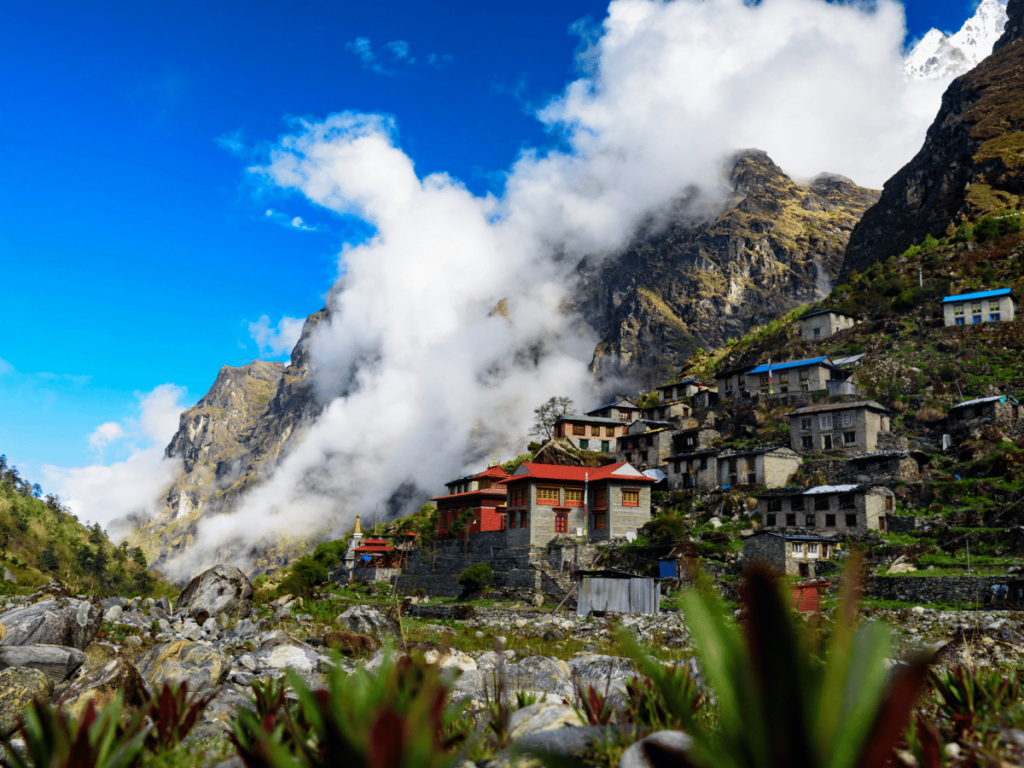
Nepal, a land of breathtaking Himalayan peaks, ancient spiritual traditions, and vibrant cultural tapestries, beckons adventurers and spiritual seekers alike. From the world’s highest mountains like Mount Everest to the serene lakes of Pokhara and the jungle wildlife of Chitwan, this diverse nation offers an unparalleled travel experience. However, navigating the myriad of options and ensuring a safe, enjoyable, and well-organized trip can be daunting, especially for first-time visitors.
This is where a reliable travel agency in Nepal becomes your invaluable partner. While the allure of independent travel is strong, the complexities of permits, logistics, local customs, and safety in a foreign land often make professional guidance not just convenient, but essential. But with hundreds of agencies vying for your attention, how do you sift through them all to find the *best* fit for your dream Nepali adventure?
This comprehensive guide will arm you with the knowledge and criteria to confidently select the ideal Nepal travel agency, ensuring your journey through this magnificent country is nothing short of extraordinary.
Why Use a Travel Agency in Nepal?
Before diving into *how* to choose, let’s quickly address *why* you should consider a professional tour operator for your Nepali escapade:
- Local Expertise: Agencies possess invaluable knowledge about routes, accommodations, cultural nuances, and hidden gems that guidebooks often miss.
- Logistical Ease: From flights and permits to transportation and accommodation, they handle all the intricate planning, saving you time and stress.
- Safety and Support: In a country with challenging terrain and sometimes unpredictable weather, an agency provides crucial support, emergency protocols, and experienced guides.
- Cost-Effectiveness: Agencies often have better rates with hotels, airlines, and local service providers, potentially saving you money despite their fees.
- Cultural Immersion: They can connect you with local experiences, guides, and communities, offering a deeper dive into Nepali life.
Key Factors to Consider When Choosing a Travel Agency in Nepal
Selecting the right travel agency in Nepal requires careful consideration of several critical factors. Prioritizing these aspects will significantly enhance your travel experience and peace of mind.
1. Licensing, Registration, and Affiliations
This is non-negotiable. A legitimate travel agency in Nepal must be properly licensed and registered with the Nepalese government. This ensures they operate legally and adhere to national tourism standards.
- Government Registration: Confirm they are registered with the Office of the Company Registrar and the Department of Tourism, Ministry of Culture, Tourism, and Civil Aviation.
- Affiliations: Look for memberships in reputable national and international tourism associations. Key Nepali associations include:
- Nepal Association of Tour and Travel Agents (NATTA): The umbrella organization for Nepalese travel agencies.
- Trekking Agencies’ Association of Nepal (TAAN): Essential for agencies specializing in trekking.
- Nepal Mountaineering Association (NMA): Relevant for agencies offering mountaineering expeditions.
International affiliations (like PATA, IATA) can also be a good sign of credibility.
- Insurance: A reputable agency should have proper liability insurance and ensure their staff and guides are also insured.
2. Reputation and Reviews
In the digital age, an agency’s online reputation speaks volumes. Thoroughly investigate what past clients say about their experiences.
- Online Review Platforms: Check sites like TripAdvisor, Google Reviews, Facebook, and specialized travel forums. Look for consistent positive feedback regarding professionalism, guide quality, itinerary accuracy, and customer service. Be wary of agencies with many generic, short, or suspiciously perfect reviews.
- Testimonials: While agency websites often feature testimonials, cross-reference these with independent sources.
- Word-of-Mouth: Ask friends, family, or travel communities for recommendations if they’ve traveled to Nepal.
3. Experience and Expertise
Longevity in the business often translates to greater experience and a deeper understanding of Nepal’s tourism landscape.
- Years in Business: How long has the agency been operating? Older, established agencies tend to have more refined operations and contingency plans.
- Local Knowledge: Do they employ local staff and guides who genuinely understand the culture, geography, and specific challenges of different regions? This is crucial for an authentic experience.
- Specialization: Does the agency specialize in the type of trip you’re seeking (e.g., trekking, cultural tours, adventure sports, luxury travel)? A specialized trekking agency in Nepal might be better for an Everest Base Camp trek than a general tour operator.
- Guides’ Qualifications: Inquire about the experience, training, and certifications of their guides (e.g., first aid, mountaineering skills, language proficiency). A good guide can make or break your trip.
4. Safety Standards and Emergency Protocols
Nepal, while incredibly beautiful, can present certain risks, especially in its mountainous regions. Safety should be paramount.
- Safety Briefings: Do they provide thorough pre-trip safety briefings?
- Emergency Procedures: What are their protocols for medical emergencies, altitude sickness, or natural disasters? Do they have reliable communication devices (satellite phones) for remote areas?
- Equipment Quality: For trekking and adventure tours, ensure they use well-maintained, high-quality equipment.
- Medical Support: What provisions are made for medical assistance? Do guides carry first-aid kits? What is their evacuation plan?
5. Transparency in Pricing and Inclusions
Hidden costs can quickly turn a budget-friendly trip into an expensive one. Demand absolute clarity on pricing.
- Detailed Itinerary and Cost Breakdown: Request a comprehensive breakdown of what’s included (accommodation, meals, permits, guides, porters, transportation, flights) and what’s not (international flights, visas, personal insurance, tips, extra drinks, personal gear).
- No Hidden Fees: Be wary of agencies that are vague about costs or pressure you into quick decisions without full disclosure.
- Payment Terms: Understand their deposit requirements, cancellation policy, and refund procedures.
6. Customization and Flexibility
Your ideal trip might not fit a standard package. A good Nepal travel agency should be willing to tailor an itinerary to your interests, fitness level, and budget.
- Tailored Itineraries: Can they adapt existing tours or create a bespoke itinerary just for you?
- Group Size: Do they offer private tours or operate with small, manageable group sizes for a more personalized experience?
- Pre-Trip Communication: How responsive and helpful are they during the planning phase? Are they willing to answer all your questions thoroughly?
7. Responsible Tourism Practices
Supporting sustainable and ethical tourism benefits local communities and preserves Nepal’s natural beauty. A conscious travel agency in Nepal will prioritize these values.
- Environmental Responsibility: Do they promote “leave no trace” principles, proper waste management, and minimize environmental impact?
- Community Benefit: Do they employ local guides and porters, pay fair wages, and support local businesses? Do they contribute to local development projects?
- Cultural Sensitivity: Do they educate travelers on respectful cultural interactions and traditions?
“Responsible tourism is not just a buzzword; it’s a commitment to ensuring your journey leaves a positive footprint, both environmentally and socially.” – Adventure Travel Trade Association
8. Communication and Customer Service
The quality of communication can be a strong indicator of an agency’s overall professionalism.
- Responsiveness: How quickly and clearly do they respond to your inquiries?
- Language Proficiency: Are their staff proficient in English (or your preferred language)?
- Support During the Trip: What kind of support system is in place once you’re on the ground in Nepal? Do you have a direct contact person for emergencies or issues?
Red Flags When Choosing a Travel Agency in Nepal
While looking for the best, also be aware of potential warning signs:
- Unrealistically Low Prices: If a deal seems too good to be true, it probably is. It often indicates corners being cut on safety, guide quality, or proper permits.
- Lack of Transparency: Vague answers about pricing, itineraries, or safety measures.
- High-Pressure Sales Tactics: Agencies that push you to book immediately without giving you time to research.
- No Online Presence or Poor Reviews: A legitimate agency will have a professional website and a track record of reviews.
- Demanding Full Payment Upfront: Most reputable agencies require a deposit, but demanding 100% upfront payment is unusual and risky.
How to Verify a Nepal Travel Agency
Once you’ve shortlisted a few potential travel agencies in Nepal, take these steps to verify their credibility:
- Check Government Registers: If possible, verify their registration with the Department of Tourism or relevant Nepalese government websites. (This might require contacting the department directly or checking official listings).
- Contact Tourism Associations: Confirm their membership directly with NATTA, TAAN, or NMA.
- Call Them: Speak to them over the phone or via video call. This gives you a better sense of their professionalism and communication style.
- Ask for References: A reputable agency should be willing to provide contact details (with permission) of past clients you can speak to.
- Read the Contract Carefully: Before signing anything, ensure you understand all terms and conditions, especially concerning cancellations and refunds.
FAQ: Frequently Asked Questions about Travel Agencies in Nepal
Often, booking through a reputable travel agency in Nepal can be more cost-effective. Agencies get bulk rates for flights, accommodation, and permits that individual travelers cannot access. While there’s an agency fee, the overall package price can sometimes be lower, plus you gain the benefit of their expertise, logistics, and support.
The cost varies significantly based on the trek’s duration, difficulty, level of service (basic to luxury), inclusions (porters, guides, food, accommodation, permits, internal flights), and group size. A standard 10-14 day trek like Everest Base Camp or Annapurna Base Camp can range from $1,000 to $3,000+ per person. Always get a detailed itinerary and cost breakdown.
While it’s possible to trek independently on some popular routes, hiring a licensed guide and/or porter is highly recommended, especially for longer or more remote treks. Guides provide navigation, cultural insights, and crucial safety support (especially for altitude sickness or emergencies). Porters lighten your load, making the trek more enjoyable. Many trekking agencies in Nepal offer packages that include these services.
For peak seasons (spring: March-May; autumn: September-November), it’s advisable to book at least 3-6 months in advance, especially if you have specific dates or want to secure particular accommodations/flights. For off-peak seasons or more flexible travel, 1-2 months might be sufficient.
First, communicate directly with your guide or the agency’s local contact person to try and resolve the issue. Most reputable agencies will have a 24/7 support line. If the issue isn’t resolved, document everything (emails, photos) and contact the relevant tourism association (like NATTA or TAAN) or your country’s embassy in Kathmandu for advice.
Conclusion: Embark on Your Nepali Adventure with Confidence
Choosing the best travel agency in Nepal is not merely about finding someone to book your tickets and accommodation; it’s about finding a trusted partner who can unlock the magic of this incredible country for you. By meticulously evaluating agencies based on their licensing, reputation, safety standards, expertise, and commitment to responsible tourism, you empower yourself to make an informed decision.
Nepal offers a journey of a lifetime – an adventure that promises majestic landscapes, profound cultural encounters, and memories that will last forever. With the right Nepal travel agency by your side, you can immerse yourself fully in the experience, knowing that every detail has been expertly handled. Do your research, ask the right questions, and prepare to be captivated by the unparalleled beauty and spirit of the Himalayas.
References and Further Reading
- Nepal Tourism Board: https://ntb.gov.np/
- Nepal Association of Tour and Travel Agents (NATTA): https://natta.org.np/
- Trekking Agencies’ Association of Nepal (TAAN): https://www.taan.org.np/
- Ministry of Culture, Tourism & Civil Aviation (Nepal): https://tourism.gov.np/
- U.S. Department of State – Nepal Travel Advisory: https://travel.state.gov/content/travel/en/traveladvisories/traveladvisories/nepal-travel-advisory.html (Always check your home country’s specific travel advisories)
“`