Best Time to Visit Nepal: A Seasonal Weather Guide for Every Adventure
The answer isn’t a simple one-liner, as what constitutes the “best” time largely depends on your travel aspirations. Are you dreaming of conquering high-altitude passes, witnessing vibrant festivals, spotting rare wildlife, or simply soaking in the serene beauty of the Kathmandu Valley? Each season in Nepal unveils a different facet of its charm, accompanied by distinct weather patterns that can make or break your trip.
This comprehensive guide aims to demystify Nepal’s seasonal weather, breaking down what to expect month by month and helping you pinpoint the ideal window for your specific interests. We’ll explore the vibrant autumn, crisp winter, blossoming spring, and lush monsoon, ensuring you’re well-equipped to plan the ultimate Nepalese adventure. Let’s dive in and discover your perfect time to experience the magic of Nepal.
Understanding Nepal’s Diverse Climate
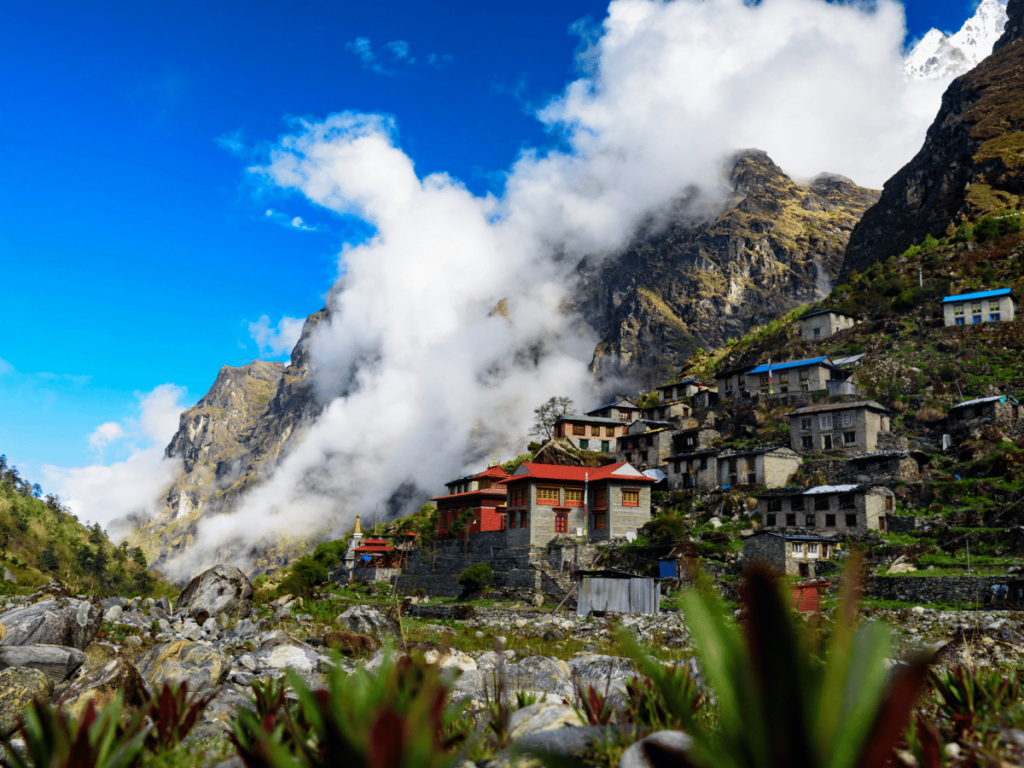
Before delving into specific seasons, it’s essential to grasp Nepal’s unique geographical layout, which profoundly influences its climate. Spanning a mere 200 kilometers from north to south, Nepal’s elevation dramatically shifts from near sea level in the southern plains (Terai) to the towering Himalayan peaks above 8,000 meters. This vertical diversity creates a multitude of microclimates, ranging from subtropical in the south to alpine and even arctic conditions in the high mountains.
- Terai Region (South): Characterized by hot, humid summers and mild winters. Experiences a heavy monsoon season.
- Hilly/Mid-Mountain Region (Central): Moderate climate with pleasant summers and cool winters. This includes cities like Kathmandu and Pokhara.
- High Himalayan Region (North): Extremely cold winters with heavy snowfall, and cool, short summers.
Broadly speaking, Nepal experiences four distinct seasons: Autumn, Winter, Spring, and Monsoon. Each brings its own set of advantages and challenges, shaping the kind of travel experiences available.
Autumn (September – November): The Golden Season
Widely regarded by many as the absolute best time to visit Nepal, autumn ushers in a period of unparalleled clarity, comfortable temperatures, and a vibrant festive atmosphere. The monsoon rains have typically cleared, washing away the summer haze and leaving behind a crisp, clean air that offers spectacular visibility.
Weather & Conditions:
- Temperatures: Pleasant and moderate across most regions. Kathmandu and Pokhara average 20-25°C (68-77°F) during the day, cooling to 10-15°C (50-59°F) at night. Higher altitudes will be cooler, especially at night, but daytime trekking is generally comfortable.
- Skies: Predominantly clear, blue skies with minimal clouds. This is crucial for stunning mountain views.
- Humidity: Low, making for very comfortable conditions.
- Rainfall: Very little to none, especially from October onwards.
Why it’s Popular:
- Trekking & Mountaineering: This is the prime trekking season. Routes like the Everest Base Camp Trek, Annapurna Circuit, Langtang Valley, and Manaslu Circuit are at their finest. The trails are dry, views are unobstructed, and tea houses are fully operational.
- Festivals: Nepal’s two biggest and most important festivals, Dashain and Tihar (Diwali), fall during autumn. These offer an incredible opportunity to witness traditional Nepali culture, family gatherings, and vibrant celebrations.
- Wildlife Viewing: The vegetation is still lush from the monsoon, but trails are dry enough for easy access to national parks like Chitwan and Bardia, offering excellent chances to spot rhinos, tigers, and a variety of birdlife.
- General Sightseeing: Kathmandu, Pokhara, and other cultural sites are delightful to explore under clear skies and comfortable temperatures.
Things to Consider:
- Crowds: As the most popular season, trails and major tourist spots can be crowded. Expect more trekkers on popular routes and higher demand for accommodation and flights.
- Prices: Flights, accommodation, and sometimes trekking permits can be slightly higher due to demand.
- Booking: It’s highly recommended to book international flights, popular treks (especially if using a guide/porter service), and accommodation well in advance.
If your dream involves iconic Himalayan vistas, comfortable trekking, and a deep dive into Nepali culture, then autumn truly is the best time to visit Nepal for you.
Winter (December – February): Crisp Air and Majestic Vistas
While often overlooked by those seeking warmth, Nepal in winter offers a serene and uniquely beautiful experience, especially for those who prefer solitude and don’t mind the cold. The air is exceptionally crisp, and the mountain views, often even clearer than in autumn due to lower atmospheric moisture, are truly majestic.
Weather & Conditions:
- Temperatures: Significantly colder, especially at higher altitudes. Kathmandu and Pokhara see daytime averages of 15-20°C (59-68°F), dropping to near freezing at night. In the mountains, temperatures can plummet well below 0°C (32°F) during the day and even colder at night.
- Skies: Generally very clear and sunny, providing exceptional mountain visibility.
- Snowfall: Common at altitudes above 2,500-3,000 meters, especially in January and February. Higher passes may be closed.
- Humidity: Very low, resulting in dry air.
Why it’s a Good Choice:
- Fewer Crowds: This is the low season for tourism, meaning trails and attractions are significantly less crowded, offering a more tranquil and intimate experience.
- Exceptional Mountain Views: The lack of haze often provides the clearest, sharpest mountain views of the year, perfect for photography.
- Lower Altitude Treks: Treks like the Poon Hill Trek, Langtang Valley (lower sections), or short Annapurna treks are still very much doable, requiring proper winter gear.
- Wildlife: Wildlife viewing in Chitwan and Bardia National Parks is excellent as animals descend to lower altitudes and the sparse vegetation makes them easier to spot.
- Cultural Experiences: Exploring the Kathmandu Valley’s ancient temples, stupas, and bustling markets is comfortable and rewarding. Lumbini, the birthplace of Buddha, is also pleasant.
- Value: Lower demand can sometimes translate to better deals on flights and accommodation.
Things to Consider:
- Extreme Cold: Proper winter clothing, including warm layers, a good down jacket, hats, gloves, and sturdy boots, is absolutely essential, especially for trekking.
- Trail Closures: High-altitude passes (e.g., Thorong La, Cho La) are often closed due to heavy snow, limiting options for certain long treks.
- Shorter Daylight Hours: Days are shorter, reducing trekking time.
- Accommodation: Some teahouses in very high altitudes may close for the season.
If you’re seeking solitude, dramatic clear mountain views, and don’t mind bundling up, winter could surprisingly be the best time to visit Nepal for a unique, peaceful adventure.
Spring (March – May): Rhododendrons and Renewed Energy
As winter’s chill recedes, Nepal awakens with the vibrant colors of spring. This season, often considered the second-best time to visit after autumn, is characterized by warmer temperatures, blooming wildflowers, and a renewed sense of energy as the mountains shed their winter cloak.
Weather & Conditions:
- Temperatures: Gradually warm up. Kathmandu and Pokhara average 25-30°C (77-86°F) during the day, with pleasant evenings. Higher altitudes become increasingly mild, though still cold at night.
- Skies: Generally clear in early spring, but haze can start to build up towards May, potentially obscuring distant mountain views.
- Rainfall: Minimal in early spring, but pre-monsoon showers and thunderstorms become more frequent in late April and May.
- Flora: The most significant highlight is the blooming of rhododendrons (Nepal’s national flower) at mid-altitudes (1,500-3,000m), painting the hillsides in shades of red, pink, and white.
Why it’s Popular:
- Trekking & Climbing: Another excellent season for trekking, especially popular for those who prefer slightly warmer conditions than autumn. It’s also the primary season for Everest expeditions and attempts on other high peaks before the monsoon.
- Flora: The blossoming rhododendrons and other wildflowers create incredibly lush and colorful landscapes, particularly appealing for photographers and nature lovers.
- Bird Watching: Spring is a fantastic time for bird watching as migratory birds return and local species become more active.
- White Water Rafting & Kayaking: River levels are good for adventure sports.
- Cultural Sightseeing: Pleasant for exploring cities and cultural sites before the summer heat.
Things to Consider:
- Crowds: Like autumn, spring is a popular season, so expect crowds on popular trekking routes and at major attractions. Booking in advance is advisable.
- Haze: As the season progresses towards May, atmospheric haze can sometimes obscure distant mountain views, especially in the lower valleys. This is caused by dust and pre-monsoon weather patterns.
- Pre-Monsoon Showers: Late spring can see occasional, sometimes heavy, thunderstorms, which can disrupt travel or trekking plans.
- Bugs: With warmer weather, insects and mosquitoes become more prevalent, especially at lower altitudes.
For those drawn to vibrant flora, active adventures, and the thrill of mountain expeditions, spring offers a compelling argument for the best time to visit Nepal.
Monsoon (June – August): A Lush, Untamed Beauty
The monsoon season in Nepal, though often avoided by mainstream tourists, holds a unique, lush, and untamed beauty. While heavy rainfall is the defining characteristic, it’s a period of dramatic transformation, offering distinct experiences for the intrepid traveler.
Weather & Conditions:
- Temperatures: Warm, even hot and humid, especially at lower altitudes. Kathmandu averages 25-30°C (77-86°F) with high humidity.
- Rainfall: Heavy and frequent, often daily, though not always continuous. The eastern parts of Nepal typically receive more rain than the west.
- Skies: Predominantly cloudy, often obscuring mountain views.
- Visibility: Generally poor for distant views, but the immediate surroundings are incredibly green and vibrant.
- Landslides: Increased risk of landslides and mudslides, especially in hilly regions, which can affect road travel.
Why it’s Still Worth Visiting:
- Fewer Tourists: This is the absolute low season, meaning very few crowds. You can often have popular sites and even some trails almost entirely to yourself.
- Lush Green Landscapes: The entire country bursts into a vibrant, almost ethereal green. Waterfalls are at their most powerful and impressive.
- Cultural Immersion: Excellent time for cultural tours in cities like Kathmandu and Pokhara, as you can explore museums, temples, and local life without the throngs of tourists.
- Rain-Shadow Treks: Unique trekking opportunities exist in regions north of the Himalayas, such as Upper Mustang, Dolpo, and Nar-Phu Valley. These areas fall in a “rain shadow” and receive very little monsoon rain, offering a distinct high-desert landscape. These are generally more remote and require special permits.
- Wellness & Retreats: Ideal for yoga, meditation, and Ayurvedic retreats, focusing on inner tranquility amidst the calming sounds of rain.
Things to Consider:
- Trekking Challenges: Trails become very slippery, muddy, and often infested with leeches. Rivers swell, making crossings difficult or dangerous. Mountain views are rare.
- Transportation Issues: Domestic flights (especially to mountain airports) are frequently delayed or canceled due to poor visibility. Road travel can be disrupted by landslides.
- Mosquitoes & Insects: High humidity and standing water lead to an increase in mosquitoes and other insects. Dengue fever can be a concern at lower altitudes.
- Limited Mountain Views: If spectacular mountain vistas are your primary goal, this is not the season for you.
While certainly not the best time to visit Nepal for typical mountain trekking, the monsoon season offers a profoundly different and authentic experience for those willing to embrace its challenges and appreciate its unique beauty, especially for cultural exploration or specific rain-shadow treks.
The Verdict: When is the Absolute Best Time to Visit Nepal?
As we’ve explored, “best” is a deeply personal preference. However, we can distill our recommendations based on common travel interests:
- For Trekking & Mountaineering (Iconic Views & Comfortable Conditions):
- Autumn (September – November): Unquestionably the prime season. Clear skies, moderate temperatures, and stunning mountain visibility. Ideal for Everest Base Camp, Annapurna Circuit, Langtang, etc.
- Spring (March – May): Second-best. Warmer, with blooming rhododendrons, but increasing haze towards May and potential pre-monsoon showers. Also prime for high-altitude expeditions.
- For Cultural Sightseeing (Kathmandu, Pokhara, Lumbini):
- Autumn (September – November): Pleasant weather for exploring.
- Winter (December – February): Cool, crisp days are perfect for city tours without crowds.
- Spring (March – May): Warm and pleasant.
- For Wildlife Viewing (Chitwan, Bardia National Parks):
- Autumn (September – November): Lush vegetation but good access.
- Winter (December – February): Sparse vegetation makes animals easier to spot as they descend to lower altitudes for warmth.
- Early Spring (March): Still good conditions before the heat and haze build up.
- For Avoiding Crowds & Seeking Solitude:
- Winter (December – February): Significantly fewer tourists, especially in the mountains.
- Monsoon (June – August): Very few international visitors, offering a unique and peaceful experience.
- For Unique Rain-Shadow Treks (Upper Mustang, Dolpo):
- Monsoon (June – August): These areas are ideal during the monsoon as they receive little rain.
Essential Travel Tips for Your Nepal Trip (Regardless of Season)
No matter when you decide the best time to visit Nepal is for you, a few universal tips will enhance your journey:
- Visa Requirements: Most nationalities can obtain a visa on arrival at Tribhuvan International Airport (Kathmandu) or at land border crossings. Ensure your passport is valid for at least six months. Check the Department of Immigration, Nepal for the latest requirements.
- Travel Insurance: Absolutely essential, especially if you plan on trekking or high-altitude activities. Ensure it covers emergency medical evacuation.
- Packing Essentials:
- Layers: Crucial for Nepal’s fluctuating temperatures.
- Rain Gear: Even outside monsoon, unexpected showers can occur.
- Sun Protection: High altitude sun is intense. Bring sunscreen, a hat, and sunglasses.
- Good Footwear: Sturdy trekking boots if you plan to hit the trails, comfortable walking shoes otherwise.
- Water Purification: Carry a water bottle and purification tablets/filter to reduce plastic waste.
- Health & Safety:
- Altitude Sickness (AMS): If trekking at high altitudes, familiarize yourself with symptoms and acclimatization techniques. Ascend slowly!
- Water Safety: Drink only bottled, filtered, or boiled water.
- Food Safety: Eat at reputable places, avoid raw salads or unpeeled fruits unless prepared hygienically.
- Respect Local Culture: Dress modestly, especially when visiting religious sites. Ask permission before taking photos of people. Be mindful of local customs and traditions.
- Sustainable Tourism: Support local businesses, minimize your environmental footprint, and pack out what you pack in.
Frequently Asked Questions (FAQ)
What is the best month to visit Nepal for trekking?
October is widely considered the absolute best month for trekking in Nepal. The monsoon has cleared, leaving crystal-clear skies, moderate temperatures, and excellent visibility of the Himalayas. November is also fantastic, followed closely by March and April.
Is Nepal safe to travel alone?
Yes, Nepal is generally considered safe for solo travelers, including solo female travelers. Nepalis are known for their hospitality. However, standard travel precautions apply: be aware of your surroundings, avoid walking alone in isolated areas at night, and always inform someone of your trekking plans.
How much does a trip to Nepal cost?
The cost varies greatly depending on your travel style. A budget traveler could get by on $20-40 USD per day (accommodation, food, local transport). A mid-range trip might cost $50-100 USD per day, while luxury travel can easily exceed $200+ USD per day. Trekking adds to the cost (permits, guides/porters, gear). International flights are a major variable.
Do I need a visa for Nepal?
Most foreign nationals require a visa for Nepal. Many nationalities can obtain a Tourist Visa On Arrival at Kathmandu’s Tribhuvan International Airport (TIA) or at land border crossings. It’s advisable to check the latest requirements from the Department of Immigration, Nepal website or your local Nepalese embassy/consulate before your trip.
What currency is used in Nepal?
The local currency is the Nepalese Rupee (NPR). Major foreign currencies like USD, EUR, and GBP are easily exchanged. ATMs are widely available in cities like Kathmandu and Pokhara, but less so in remote trekking areas.
What vaccinations do I need for Nepal?
Commonly recommended vaccinations include routine vaccines (MMR, DTP, Polio), Hepatitis A, and Typhoid. Depending on your travel plans (e.g., visiting rural areas, prolonged stay), vaccinations for Hepatitis B, Japanese Encephalitis, and Rabies might be recommended. Always consult your doctor or a travel clinic well in advance of your trip for personalized advice.
Can I drink tap water in Nepal?
No, it is generally not safe to drink tap water directly in Nepal. Always opt for bottled water, boiled water, or use a reliable water purification method (filter, iodine tablets) to avoid stomach issues. Many guesthouses and cafes offer filtered water refill stations, which is a more environmentally friendly option.
Conclusion
Nepal is a land of incredible contrasts and unforgettable experiences, captivating travelers with its raw beauty, profound spirituality, and welcoming people. While autumn emerges as the frontrunner for the best time to visit Nepal for most trekkers and sightseers, each season holds its unique allure. Whether you seek the crisp mountain air and vibrant festivals of autumn, the serene solitude of a winter journey, the blossoming hills of spring, or the lush, untamed beauty of the monsoon, Nepal offers a fitting adventure for every soul.
Ultimately, the perfect time for your journey depends on your personal interests, tolerance for crowds, and desired activities. With this guide, you’re now equipped with the knowledge to make an informed decision and prepare for an incredible Nepalese escapade. So, choose your season, pack your bags, and get ready to create memories that will last a lifetime in this truly extraordinary corner of the world.
References
-
- Nepal Tourism Board – Official tourism information for Nepal.
- Department of Hydrology and Meteorology, Nepal – For detailed weather and climate data.
- Department of Immigration, Nepal – Official source for visa and immigration information.
- Lonely Planet Nepal – General travel information and guides.
- Centers for Disease Control and Prevention (CDC) – Nepal Travel Health – For health and vaccination advice.
“`